Stop one · the window
Which Leaves Suit Which Window
Before choosing a plant for its shape, stand where it will live and watch the light for a day. The window decides more than the shop label ever will.
Reading a room's light
Stylists talk about light the way tailors talk about fabric. It has weight, direction and temperature. In the northern hemisphere, south-facing windows receive the strongest and longest sun, east windows get cool morning light, west windows get warm and sometimes harsh afternoon light, and north windows give a soft, even glow with almost no direct sun.
Distance matters as much as direction. Light falls away quickly as you step back from the glass; a spot two metres from a bright window can receive a fraction of the light on the sill itself. Net curtains, deep reveals, balconies above and trees outside all trim the supply further. A simple test: at midday, hold your hand a foot above the spot. A crisp, dark shadow means bright light; a soft, fuzzy outline means medium; barely any shadow means low.
If you want numbers, a free light-meter app gives a rough lux reading. Treat it as a guide, not a verdict, and take readings in winter too, when the sun sits lower and days are short.
The bright south window
This is the sunroom seat, the place for plants that genuinely enjoy hours of direct sun. Think of it as the spot for strong, structural pieces that can take the glare without scorching.
- Bird of paradise (Strelitzia nicolai): tall paddle leaves that give a living room real height, the botanical equivalent of a floor lamp.
- Cacti and succulents: crisp silhouettes that suit low, wide bowls on a sill or a sideboard.
- Ponytail palm (Beaucarnea recurvata): a swollen trunk and fountain of leaves, playful in a minimal room.
- Olive tree: silvery foliage that softens Scandinavian and Mediterranean schemes alike, provided it gets very bright light.
In high summer, even sun-lovers can scorch behind glass, which magnifies heat. Pull them back a little or diffuse the light with a sheer curtain during heatwaves.
“Choose the window first and the plant second. A beautiful leaf in the wrong light is a slow goodbye.”
East and west: the gentle windows
Most of the best-loved statement plants live here. East windows are the kindest of all: a few hours of mild morning sun, then bright, indirect light for the rest of the day. West windows offer similar brightness but warmer afternoon rays, so keep thin-leaved plants a step back.
- Fiddle-leaf fig (Ficus lyrata): needs steady, bright light and hates being moved. Choose its spot once and leave it there.
- Rubber plant (Ficus elastica): glossy oxblood or variegated leaves that add depth beside pale walls.
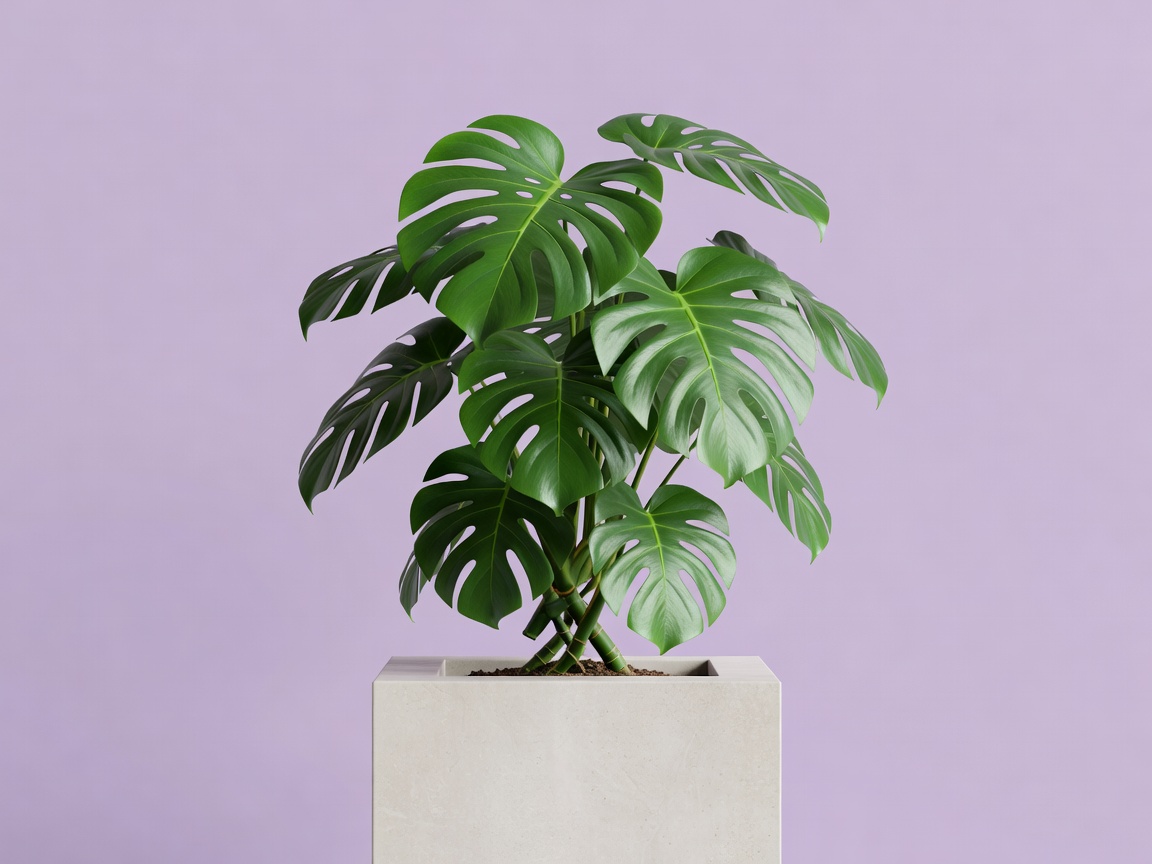
- Monstera deliciosa: generous and wide; give it a metre of breathing room or it will crowd the furniture.
- Calathea and maranta: patterned leaves for side tables, happiest in filtered morning light.
North light and medium rooms
North-facing rooms are often called difficult, but many interiors magazines quietly shoot their best plant stories in exactly this light: soft, flattering, never harsh. The trick is choosing plants that evolved on forest floors.
- ZZ plant (Zamioculcas zamiifolia): upright, glossy and almost architectural; superb on a hallway console.
- Snake plant (Dracaena trifasciata): vertical blades that work like a slim column in a tight corner.
- Golden pothos (Epipremnum aureum): trailing lines for bookcases and the tops of wardrobes.
- Cast iron plant (Aspidistra elatior): a Victorian parlour favourite that tolerates dim halls and cool rooms.
- Boston fern: lush and feathery for a bright bathroom with a frosted north window.
In medium light, everything grows more slowly and drinks less. Water less often than the label suggests, and dust the leaves so every bit of light counts.
The honest truth about corners
No plant thrives in a truly dark corner, whatever the plant tag claims. "Low-light tolerant" usually means "declines slowly rather than quickly." If a corner is begging for greenery, you have three good options. First, fit a full-spectrum LED grow bulb in a floor lamp and set it on a timer for ten to twelve hours a day; modern bulbs give a warm, ordinary-looking light. Second, rotate two identical plants, swapping one into a bright room every fortnight. Third, accept a beautiful dried arrangement or preserved moss panel for that spot and keep living plants where they can flourish.
Once each window has its match, the next question is what that plant should sit in. That is where the vessel comes in.