Stop two · the vessel
Clay, Glass, Rattan: Picking the Vessel
If the plant is the furniture, the pot is its upholstery. It sets the tone of a room as surely as a cushion fabric, and it quietly decides how wet or dry the roots stay.
First, the two-pot habit
Most stylists work with two layers. Inside sits a plain plastic nursery pot with drainage holes; that is the plant's real home. Outside sits the decorative vessel, called a cachepot, which can be any material you like, holes or not. Water the plant at the sink, let it drain for fifteen minutes, then lower it back into the cachepot. You get freedom of style and roots that never sit in a puddle.
This habit also suits renters. When you move, the decorative pots travel as décor and the plants travel in light plastic. When you change a room's palette, you swap vessels without repotting anything.
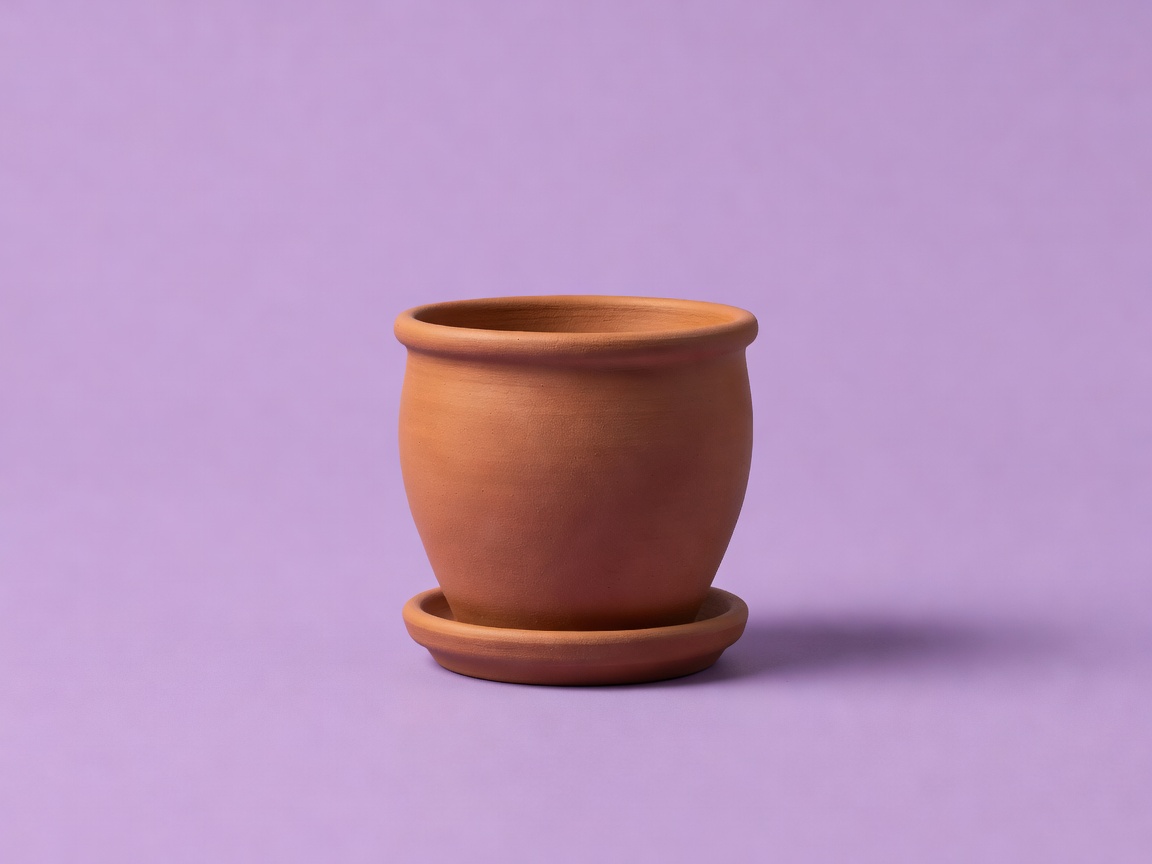
Terracotta: the breathing pot
Unglazed clay is porous, so moisture evaporates through its walls. Soil dries faster, which makes terracotta the natural partner for succulents, cacti, snake plants and anything prone to root rot. Over time it develops a chalky white bloom of mineral salts and a mossy patina; some people scrub it away, many stylists treasure it. Visually, terracotta warms cool palettes and pairs beautifully with lilac, sage and oatmeal linens.
The trade-off: thirsty plants such as ferns and calatheas dry out quickly in clay, especially near radiators. Either use terracotta as an outer cachepot or choose another material for those plants.
Glazed ceramic: the polished piece
Glazed stoneware holds moisture and comes in every colour and finish, from reactive glazes that pool like enamel to matte chalk whites. It is the most "furniture-like" vessel and the easiest to coordinate with a room. Think of the restrained forms of Lucie Rie or the earthy studio pots from the Leach Pottery tradition in St Ives: a single good vessel can anchor a whole sideboard.
Because glaze does not breathe, drainage is essential. Use the two-pot habit, or choose a planter with a hole and a matching saucer, and add felt pads underneath to protect timber surfaces.
“Size the pot to the roots, and style the pot to the room. Never the other way round.”
Glass: the vessel that shows its workings
Glass lets you see roots, water and pebbles, which can be lovely or messy. It is perfect for water propagation of pothos or monstera cuttings, for closed terrariums of mosses and fittonia, and for single stems in a bud vase. As a planter for soil, glass has no drainage and can grow algae in light, so use it mainly as an outer sleeve. Smoked or tinted glass hides more and looks elegant against pale walls.
Rattan, seagrass and baskets
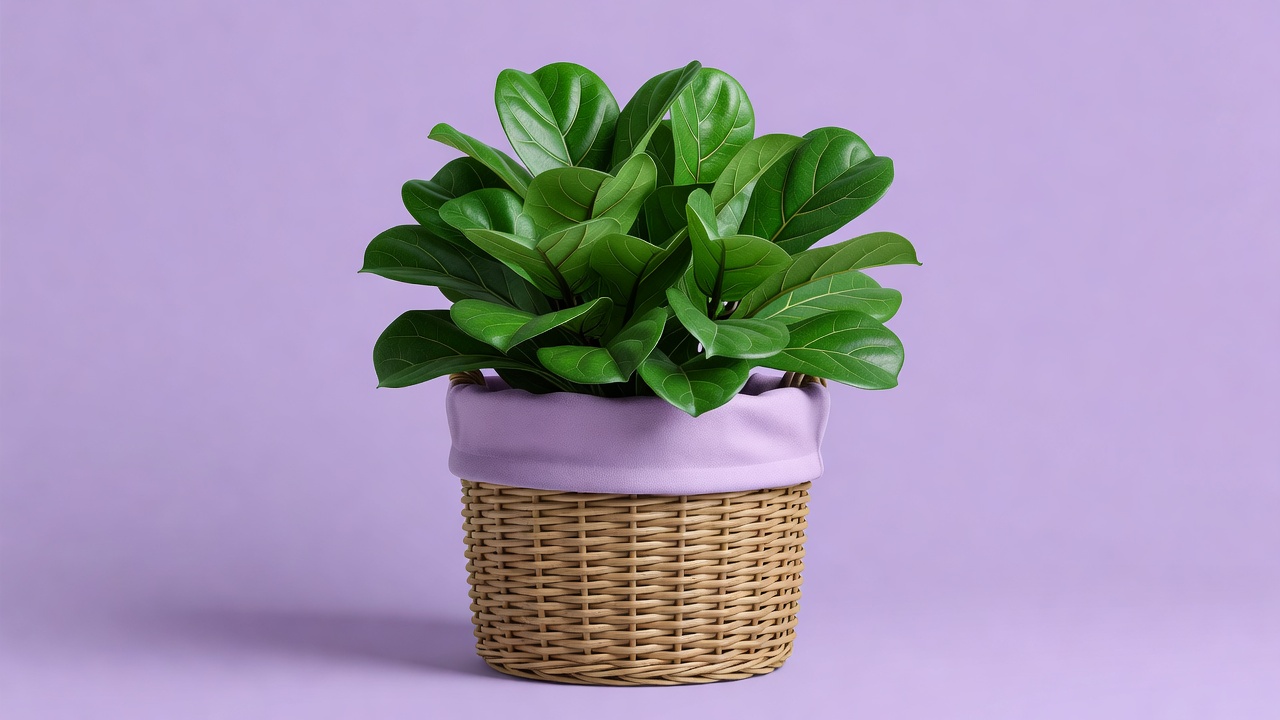
Woven baskets bring texture and softness, the botanical equivalent of a throw on a sofa. They suit floor plants in living rooms and bedrooms and help a large plastic pot disappear. Always line them: slip the nursery pot onto a waterproof saucer or plastic liner inside the basket, because damp fibres stain floors and rot quickly. Keep baskets away from direct contact with wet soil and turn them occasionally so one side does not fade in the sun.
Concrete, metal and the rest
Concrete planters feel calm and architectural but are heavy, so think before filling a large one on an upper floor. Fresh concrete can raise soil alkalinity; sealed or well-cured pieces are kinder. Metal planters, from brushed brass to powder-coated steel, look sharp in modern rooms but can rust and heat up in sun, so use them as cachepots with a liner.
Proportion and sizing
- Root fit: choose a new nursery pot only 2–5 cm wider than the current root ball. Oversized pots hold excess wet soil.
- Visual balance: for upright plants, a pot roughly one-third to one-half of the plant's total height looks settled.
- Trailing plants: go narrower and taller, or raise them on a stand so the vines have somewhere to fall.
- Feet and stands: lifting a pot a few centimetres improves airflow, protects floors and makes a modest plant look intentional.
With the vessel chosen, the next stage is arranging several of them together without the shelf feeling crowded.